


You're ready to build or redesign your contractor website. You've got quotes from agencies, freelancers, and maybe even a cousin who "does websites." Then the confusion hits: one person calls themselves a web designer, another a web developer, and a third claims to be both.
What's the actual difference? More importantly, which one does your Brandon contracting business need to generate leads, showcase your projects, and convert visitors into booked jobs?
The distinction matters more than you think. Hiring the wrong specialist at the wrong stage can mean a beautiful site that doesn't work properly, or a functional site that looks like it was built in 2005. Let's break down what each role does, when you need which skill set, and how to evaluate agencies that offer both services under one roof.
What Is a Web Designer and What Do They Actually Do?
A web designer is responsible for everything you see and interact with on a website. Think of them as the architect of your digital presence.
Visual Layout and Branding
Designers create the visual hierarchy of your pages. They choose colour schemes that match your brand, select fonts that are readable on mobile devices, and arrange elements so visitors intuitively know where to click next. For a roofing contractor in Brandon, that might mean placing your phone number prominently in the header, using high-contrast buttons for quote requests, and ensuring your logo reflects the quality of work you deliver.
User Experience (UX) Design
This is where designers map out how visitors move through your site. They ask questions like: Should the photo gallery be on the homepage or a separate page? Where should the contact form appear? How many clicks does it take to request a quote?
Poor UX kills leads. If a homeowner can't figure out how to submit a project inquiry within 10 seconds, they're hitting the back button and calling your competitor.
Mockups and Prototypes
Before a single line of code gets written, designers create static mockups in tools like Figma or Adobe XD. These mockups show exactly what each page will look like on desktop, tablet, and mobile. You approve the design, then it moves to development.
Designers don't typically write the code that makes the site work. They hand off finalized designs to developers who build the functional version.
What Is a Web Developer and How Do They Bring Designs to Life?
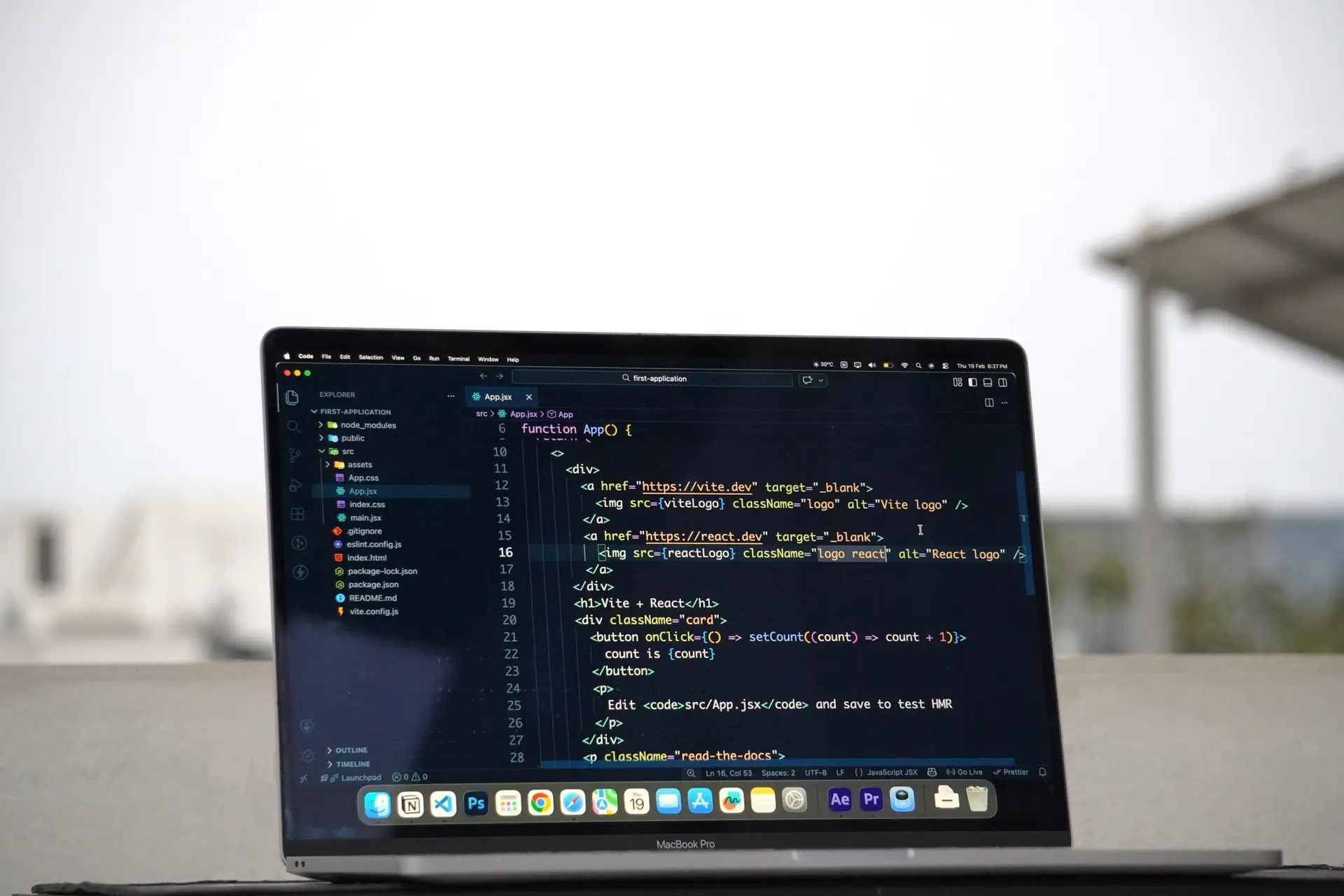
A web developer takes those approved designs and turns them into a working website. They write the code, integrate tools, and ensure everything functions correctly across browsers and devices.
Front-End Development
Front-end developers code the part of the site users interact with. They use HTML, CSS, and JavaScript to translate the designer's mockup into clickable, scrollable, interactive pages. When you hover over a button and it changes colour, or when a mobile menu slides open, that's front-end code at work.
For contractors, this includes:
- Quote request forms that validate fields before submission
- Image galleries that load quickly without slowing the page
- Click-to-call buttons that trigger your phone app on mobile
- Service area maps that highlight the cities you serve
Back-End Development
Back-end developers handle what happens behind the scenes. When someone submits a contact form, back-end code processes that data, stores it in your CRM, and triggers an email notification to your office.
They also build:
- Lead capture integrations with tools like Go High Level CRM
- Admin dashboards where you can update project photos without calling your developer
- Database structures that store testimonials, blog posts, and service pages
- Performance optimizations that make your site load in under 2 seconds
Technical Problem-Solving
Developers troubleshoot bugs, ensure your site works in Chrome, Safari, Firefox, and Edge, and make sure it's mobile-responsive (not just "mobile-friendly" but truly functional on a 5-inch screen).
They don't focus on colours or fonts. Their job is making sure the design actually works in the real world.
Web Design vs Web Development: The Key Differences That Matter for Contractors

Here's the breakdown that matters when you're evaluating who to hire:
| Web Designer | Web Developer |
|---|---|
| Creates visual layouts and branding | Writes code to build functional sites |
| Focuses on aesthetics and user experience | Focuses on performance and functionality |
| Tools: Figma, Adobe XD, Sketch | Tools: HTML, CSS, JavaScript, PHP |
| Delivers static mockups | Delivers working websites |
| Asks: "Does this look professional?" | Asks: "Does this actually work?" |
When You Need a Designer First
Start with design if:
- Your current site functions fine but looks outdated
- You need branding work (logo, colour palette, messaging)
- You're launching a new service line and need landing page layouts
- You want mockups to show stakeholders before committing to development
When You Need a Developer First
Start with development if:
- Your site crashes on mobile devices
- Forms don't submit or send leads to spam folders
- Your site loads slower than 4 seconds (killing your SEO and conversions)
- You need integrations with your CRM, scheduling software, or payment tools
- You're migrating to a new platform or rebuilding from scratch
When You Need Both (Most Contractor Websites)
The truth? Most contractor websites need both skill sets working in tandem. A beautiful design that doesn't load on mobile is worthless. A lightning-fast site with a 1998 aesthetic won't convert visitors.
At services, we pair designers and developers on every project because contractor websites have specific requirements: they need to look professional enough to win high-value jobs while being functional enough to capture leads 24/7.
Can One Person Be Both a Web Designer and Developer?
Yes, and these professionals are often called "full-stack designers" or "design-developers." They can handle both visual design and code.
The Pros of Hiring a Generalist
- Faster communication (no handoff delays between designer and developer)
- Often more affordable than hiring two specialists
- Good for smaller sites with straightforward needs
The Cons You Should Know
Generalists are rarely world-class at both skills. You might get a site that's 80% great visually and 80% solid technically, but a contractor competing in Brandon's market often needs both sides at 95%+.
Complex projects suffer when one person tries to do everything. If you need custom lead tracking, CRM integration, and a photo-heavy gallery with lazy loading, you want a specialist developer. If your brand needs a visual identity that stands out from every other contractor in Manitoba, you want a dedicated designer.
How to Evaluate Agencies That Offer Both Web Design and Development
Most marketing agencies (including Jummp Marketing, established in 2022) bundle both services. Here's how to tell if they're legit or just claiming to do everything:
Ask to See Their Process
A quality agency will walk you through distinct phases:
- Discovery and Strategy (1-2 weeks): Understanding your goals, audience, and competitors
- Design Phase (2-3 weeks): Mockups, revisions, approval
- Development Phase (3-4 weeks): Building the functional site
- Testing and Launch (1 week): QA, mobile testing, going live
If they skip straight to "we'll have it done in two weeks," they're cutting corners.
Review Their Portfolio with a Critical Eye
Don't just look at screenshots. Visit live sites they've built. Test them on your phone. Try submitting a contact form. Check load speed using Google's PageSpeed Insights tool.
Ask:
- Does the design look modern and professional?
- Does the site load quickly on 4G mobile?
- Are calls-to-action obvious and compelling?
- Do forms work correctly?
- Is the site easy to navigate?
Confirm You'll Own Everything
One of the biggest objections we hear from Brandon contractors is the fear of vendor lock-in. Make sure the agency commits in writing that you own your website, content, and hosting access. If they disappear or you decide to part ways, you shouldn't lose your entire digital presence.
According to website ownership best practices, retaining full ownership of your domain, hosting, and source files protects your investment and gives you leverage to switch providers if needed.
Check for Contractor-Specific Experience
Generic agencies build generic sites. You need a team that understands contractor pain points: long sales cycles, high-ticket projects, trust-building through project galleries, and lead capture that feeds into your CRM.
Ask if they've worked with general contractors, remodelers, roofers, or landscapers. If their portfolio is all e-commerce or SaaS companies, they won't understand your buyer's journey.
At industries, we specialize exclusively in contractor and home builder marketing, so we know exactly what features move the needle for your business.
Which Matters More: Design or Development?
Honest answer? Neither. They're two sides of the same coin.
A stunning design with broken functionality loses leads. A perfectly coded site with amateur visuals loses credibility.
Contractors in Brandon are competing for projects worth significant budgets. Homeowners judge your professionalism in the first 5 seconds of landing on your site. If your design looks cheap or your site loads slowly, they assume your work quality matches.
The 3-Second Test
Pull up your current site on your phone right now. In 3 seconds, can a visitor:
- Identify what services you offer?
- See proof you're local to Brandon?
- Find a way to contact you?
If not, you've got a design problem.
Now tap the contact form. Does it load instantly? Does it ask for the right information (project type, timeline, budget range)? Does it confirm submission?
If not, you've got a development problem.
Both issues cost you leads daily.
Real-World Contractor Scenarios: Designer, Developer, or Both?
Scenario 1: Kitchen Remodeler Needs a Refresh
Your site works fine, but it looks dated. Traffic is steady, forms submit correctly, but your bounce rate is high and conversions are low.
Solution: Start with design. A visual refresh with better project photography, clearer calls-to-action, and updated branding might be all you need. Development stays the same.
Scenario 2: Roofing Contractor's Forms Don't Work on Mobile
Your site looks professional, but 60% of your traffic is mobile and your contact form breaks on phones. Leads are calling competitors instead.
Solution: Developer fix. They'll rebuild the form with proper mobile validation, ensure it integrates with your CRM, and optimize button sizes for touchscreens.
Scenario 3: General Contractor Launching in a New Market
You're expanding from Brandon to Kelowna and need a site that ranks locally, showcases your best projects, and captures leads automatically.
Solution: Both. You need strategic design that positions you as the premium choice in a new market, plus robust development for local SEO, lead tracking, and CRM integration. Typical timeline: 6-10 weeks for a full build.
This is exactly the type of project we handle at web design & development, pairing brand strategy, custom design, and technical development into one seamless process.
Common Mistakes Contractors Make When Hiring for Web Projects
Mistake 1: Hiring Based on Price Alone
The cheapest option almost always costs more in the long run. An inexpensive template site might look okay at first, but when you need custom integrations, mobile fixes, or SEO optimization, you'll pay significantly more to rebuild it correctly.
Mistake 2: Skipping the Design Phase
Some contractors jump straight to development using an off-the-shelf template. The result? A site that looks like 50 other contractors in Manitoba. Generic design doesn't build trust or differentiate your brand.
Mistake 3: Ignoring Mobile Performance
Over half your visitors are on phones. If your developer doesn't prioritize mobile-first design and fast load times, you're losing leads daily. Google also penalizes slow mobile sites in search rankings.
Mistake 4: Not Planning for Growth
Your website should scale with your business. If you plan to add new service areas, team bios, or a blog (critical for SEO), make sure your developer builds a flexible content management system from the start.
Frequently Asked Questions
Can you be a web designer and developer at the same time?
Yes, many professionals develop skills in both areas and call themselves full-stack designers or design-developers. They can handle visual design, user experience, and front-end or back-end coding. However, true specialists in one area typically deliver higher-quality results than generalists, especially for complex contractor websites that require both exceptional design and robust functionality like CRM integrations and lead tracking.
What is the difference between web developer and web designer for contractor websites?
A web designer creates the visual layout, branding, and user experience (what your site looks like and how visitors navigate it). A web developer writes the code that makes the site actually work, including forms, integrations, mobile responsiveness, and performance optimization. Contractor websites typically need both: professional design to build trust with high-value clients, and solid development to capture and route leads correctly.
Do I need to hire both a designer and developer for my contracting business website?
Most contractor websites benefit from both skill sets. A designer ensures your site looks professional and reflects your brand quality. A developer ensures it works flawlessly on all devices, loads quickly, and integrates with your CRM and lead tracking tools. Many agencies bundle both services, which streamlines communication and keeps the project on one timeline.
How long does it take to design and develop a contractor website?
Typically 6-10 weeks for a full custom build. This includes 1-2 weeks for discovery and strategy, 2-3 weeks for design and mockups, 3-4 weeks for development, and 1 week for testing and launch. Smaller refresh projects or template-based sites can be faster, but a quality custom site that generates leads and ranks well in local search requires this full timeline.
Your contractor website isn't just a digital brochure. It's your most powerful lead generation tool, working 24/7 to bring in qualified project inquiries while you're on job sites or meeting with clients.
Understanding the difference between a web designer and web developer helps you make smarter hiring decisions, avoid costly mistakes, and build a site that actually grows your business.
Whether you need a visual refresh, technical fixes, or a complete rebuild, the key is partnering with a team that understands contractor marketing and delivers both beautiful design and rock-solid functionality.
Ready to build a website that generates leads instead of just looking pretty? Talk to our team at Jummp Marketing about your website project. We'll walk through your goals, show you examples from contractors we've worked with in Brandon and across North America, and map out a plan that fits your timeline and needs. Book your free strategy call at contact or call 888-455-9996 today.
